




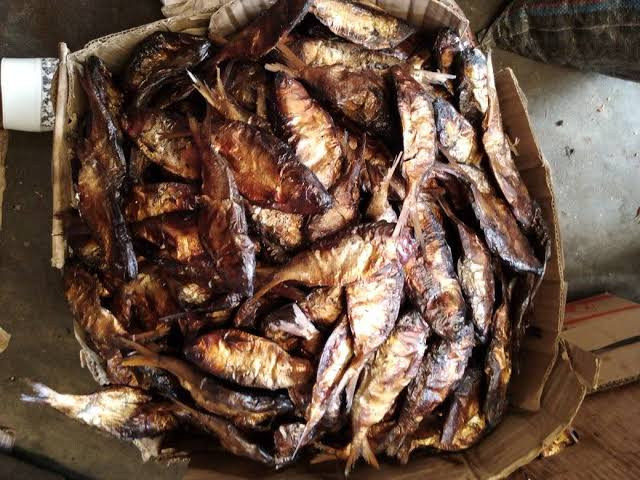
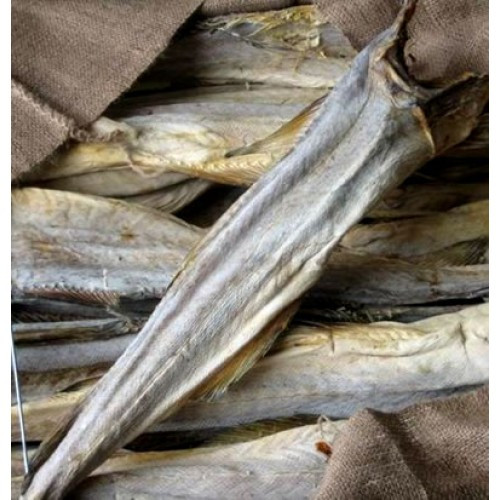
1carton of 200pcs of medium sizes of bonga fish
-
 ₦19,000.00
₦20,000.00 -
₦39,000.00
₦40,000.00 -
₦28,000.00
₦30,000.00 -
₦38,000.00
₦40,000.00 -
₦29,000.00
₦30,000.00 -
₦38,500.00
₦40,000.00



Reviews & Ratings
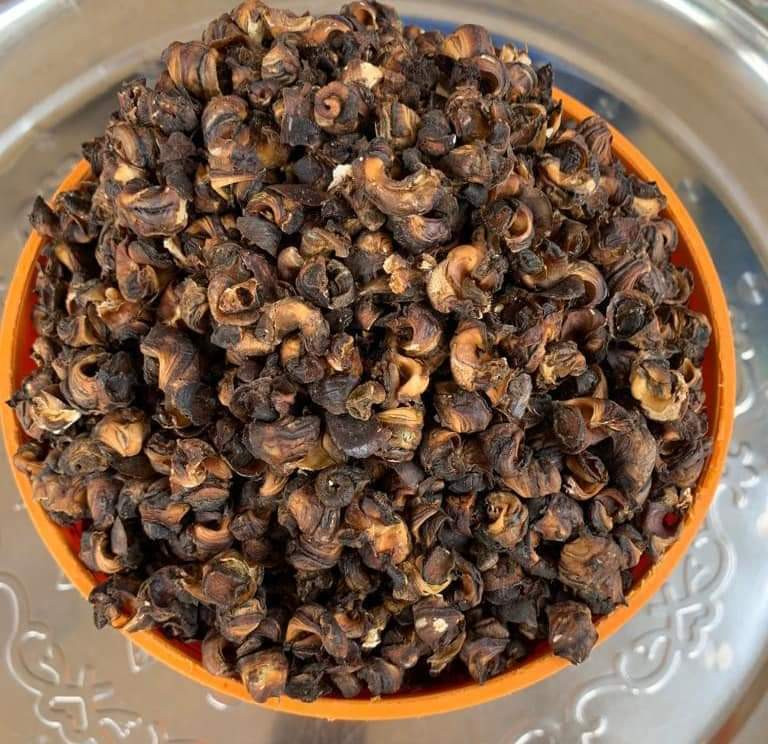
Dry fish is a nutrient-dense, high-protein, and low-calorie food packed with essential minerals like calcium, iron, zinc, and omega-3 fatty acids. These nutrients support cardiovascular health, brain function, and immune system strength. It is particularly effective for reducing malnutrition in women and children due to its high nutrient concentration per portion.
Key Health Benefits
High Nutritional Density: Because water is removed, dry fish offers higher concentrations of protein and minerals per serving compared to fresh fish.
Heart and Brain Health: It is rich in omega-3 fatty acids, which reduce inflammation and support cardiovascular and brain health.
Mineral-Rich (Bone Health & Immunity): High levels of calcium, selenium, zinc, and iron promote strong bones and boost immunity.
Protein Source: Provides all essential amino acids needed for muscle repair and growth.
Weight Management: It is low in calories and fat, making it an excellent addition to health-conscious diets.
+7
Important Considerations
Sodium Content: Dry fish can be very high in sodium; moderation is necessary for those with high blood pressure or heart conditions.
Nutrient Loss: Drying may reduce heat-sensitive vitamins like vitamin C.
Usage
Dried fish is versatile and can be used in stews, soups, or ground into a powder to enhance the nutritional value of meals.
Frequently Bought Products
-
₦19,000.00
₦20,000.00 -
₦39,000.00
₦40,000.00 -
₦28,000.00
₦30,000.00 -
₦38,000.00
₦40,000.00 -
₦29,000.00
₦30,000.00 -
₦38,500.00
₦40,000.00
Foodlistin.com