

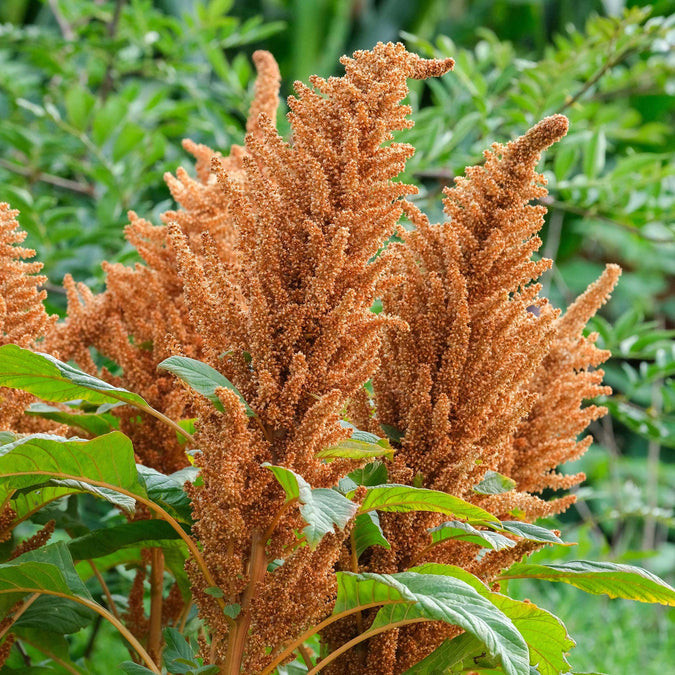
1kg of amaranth seeds
Inhouse product
-
 ₦46,500.00
₦47,500.00 -
₦20,000.00
₦22,000.00 -
₦16,500.00
₦17,000.00 -
₦19,000.00
₦20,000.00 -
₦7,500.00
₦8,000.00 -
₦38,500.00
₦40,000.00
Reviews & Ratings
Amaranth seeds are a highly nutritious, gluten-free pseudo-cereal used as a versatile, protein-rich staple in cooking and baking. They are commonly boiled as porridge or rice substitutes, popped like popcorn for snacks or granola, milled into flour for gluten-free baking, or used to thicken soups and stews due to their nutty, earthy flavor.
Culinary Uses of Amaranth Seeds:
Breakfast Porridge: Boiled in water or milk to make a creamy, nutrient-dense breakfast cereal, often topped with nuts and fruits.
Popped (Snack): The tiny seeds can be popped in a hot, dry skillet or pot, similar to corn, and eaten as a snack or mixed into granola, snack bars, or treats.
Baking & Thickening: Ground into flour for gluten-free baking (breads, muffins) or used raw to thicken soups, stews, and sauces, providing a mild thickening effect.
Boiled Grain/Staple: Used as a substitute for rice, couscous, or quinoa in salads and savory dishes.
Sprouted: Seeds can be sprouted to improve digestion and increase nutrient absorption.
Nutritional and Health Benefits:
Complete Protein: Contains all essential amino acids, making it a rare plant-based source of complete protein.
High Nutrient Content: Rich in iron, phosphorus, zinc, magnesium, and manganese.
Heart Health: High fiber and protein content may help lower "bad" (LDL) cholesterol.
Gluten-Free: An excellent alternative for individuals with gluten sensitivities.
Industrial and Traditional Uses:
Food Coloring/Additives: The seeds are used for natural, red-pigmented dyes and in the production of functional food ingredients.
Cosmetics: Amaranth oil, derived from the seed, contains squalene and is used in skin care products.
Frequently Bought Products
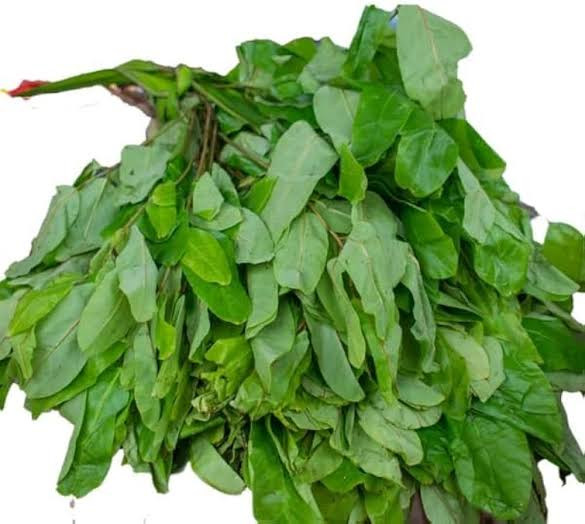
300g dried oha leaf
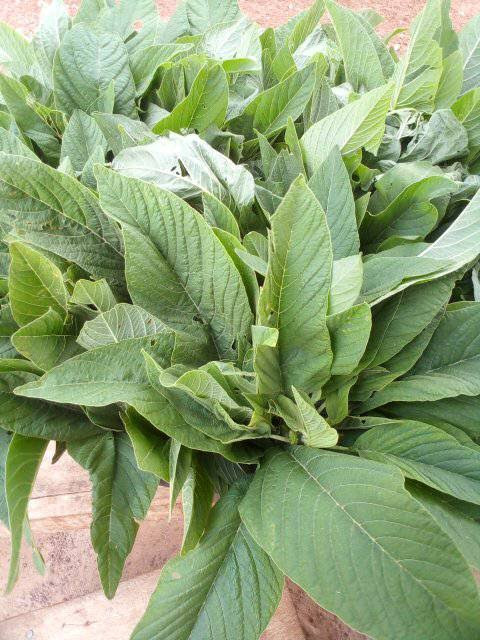
1kg of dehydrated amaranth leaves
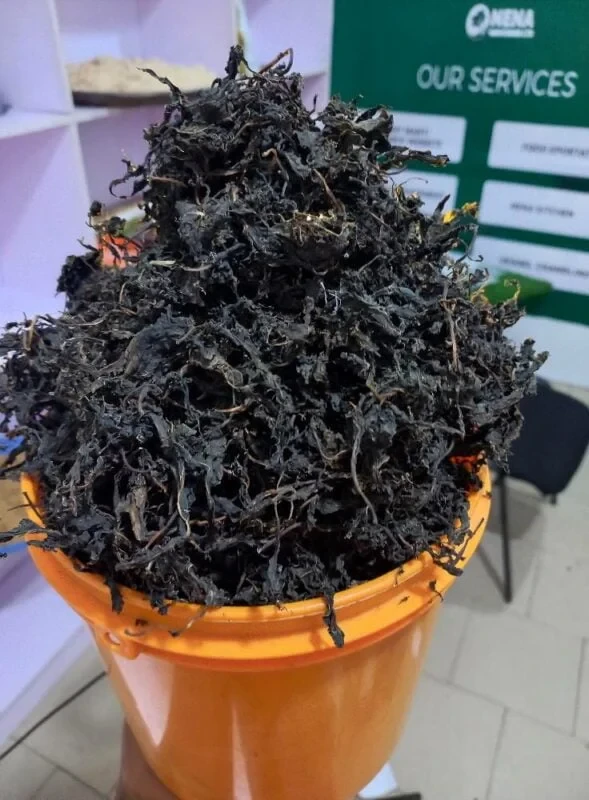
1kg of dried squeezed bitterleaf
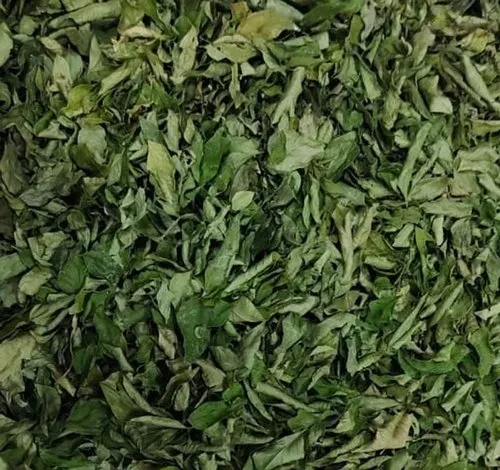
300g dried curry leaf
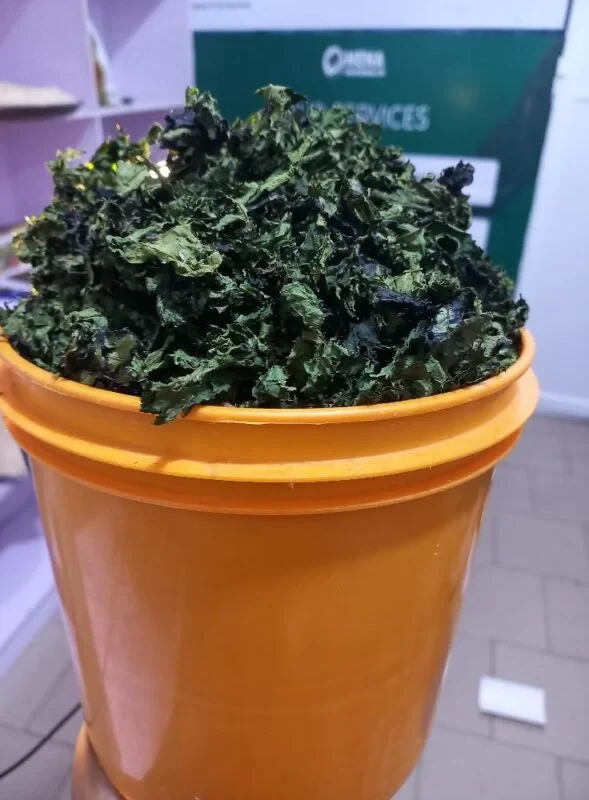
300g dried Ugu leaf
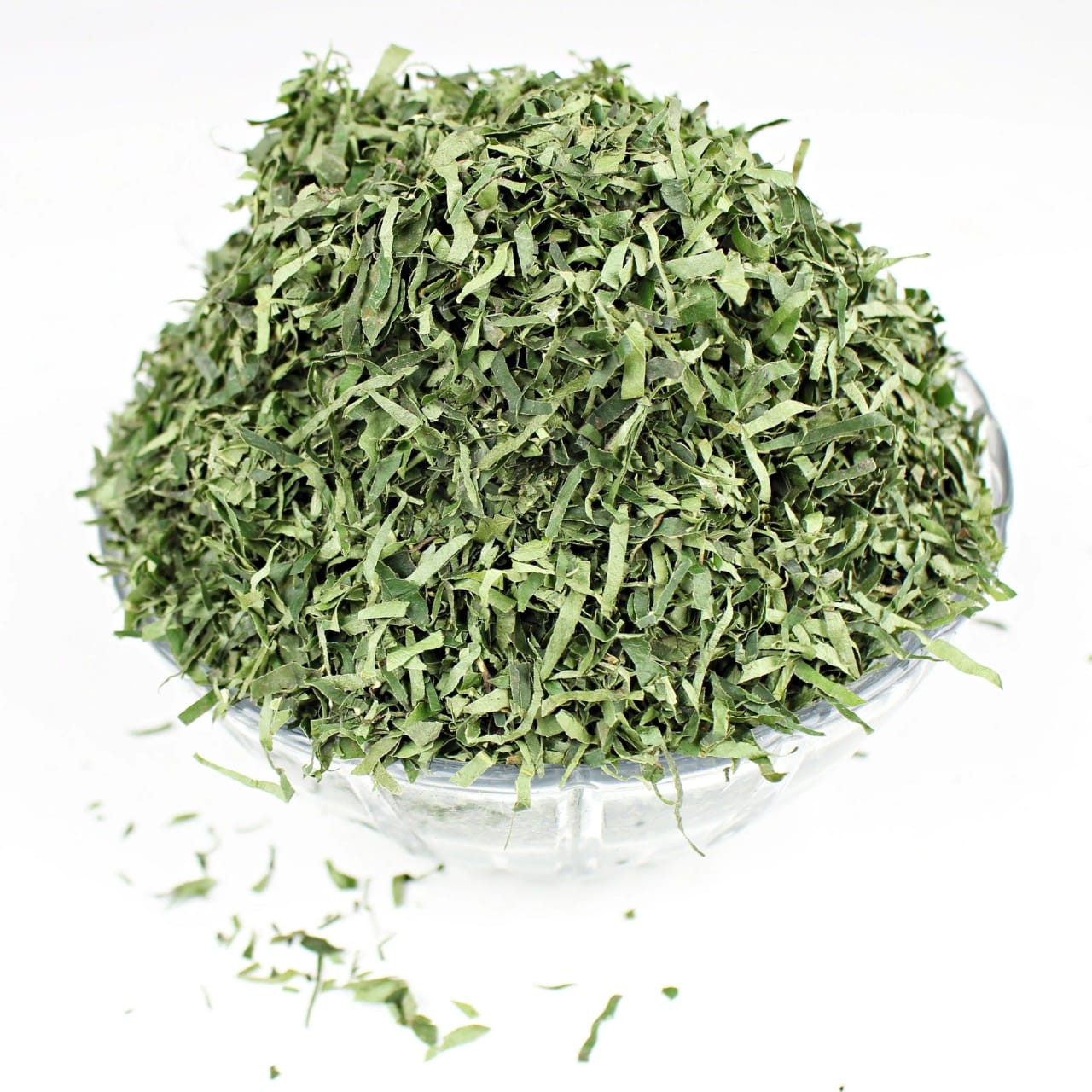
1kg of dehydrated pumpkin leaves
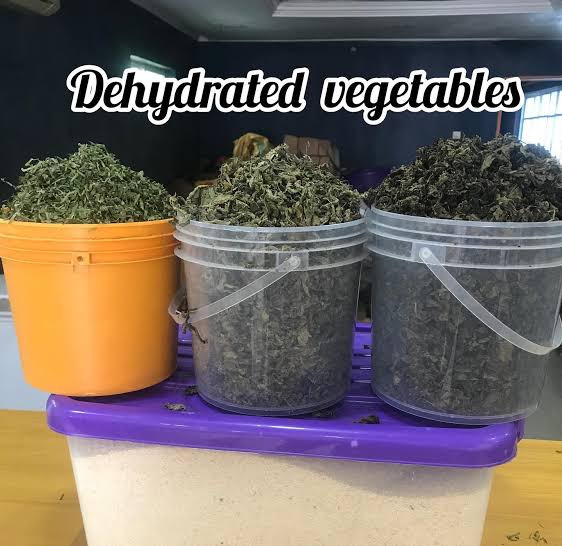
300g dried ukazi leaf
-
₦46,500.00
₦47,500.00 -
₦20,000.00
₦22,000.00 -
₦16,500.00
₦17,000.00 -
₦19,000.00
₦20,000.00 -
₦7,500.00
₦8,000.00 -
₦38,500.00
₦40,000.00
Foodlistin.com