

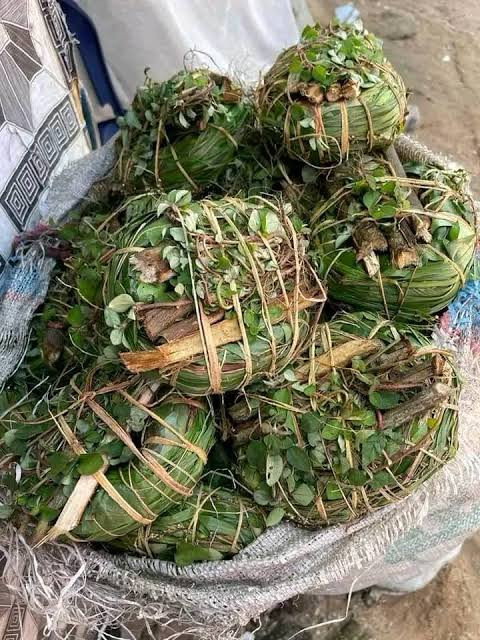
1kg of dried aju mbise leaves
-
 ₦10,000.00
₦12,000.00 -
₦19,000.00
₦20,000.00 -
₦13,800.00
₦15,000.00 -
₦10,000.00
₦12,000.00 -
₦13,500.00
₦15,000.00 -
₦9,000.00
₦10,000.00
Reviews & Ratings
Aju Mbaise is a traditional polyherbal wrap from Imo State, Nigeria, consisting of various leaves and tree barks (such as Uvaria chamae and Spondias mombin). It is widely used in traditional medicine for postpartum recovery, weight management, and various reproductive health applications.
Key Medicinal Uses
Postpartum Recovery: Commonly boiled into a tea or peppersoup for new mothers to help cleanse the womb, remove retained placenta, and replenish nutrients lost during childbirth.
Weight Loss: Extensively consumed to help reduce belly fat, shed pregnancy weight, and regulate lipid profiles by lowering cholesterol levels.
Pain & Inflammation: Contains active phytochemicals that help manage menstrual cramps, postnatal abdominal pains, and general inflammatory disorders.
Hormonal & Reproductive Health: Traditionally used to boost fertility, regulate menstrual flow, and stimulate the secretion of breast milk.
Antibacterial Properties: Studies indicate that extracts from the herbal wrap exhibit antibacterial activity, potentially aiding in the inhibition of certain gram-negative bacteria.
Traditional Preparation
The herbal wrap is typically boiled in water to produce a dark, bitter, and highly aromatic liquid. This decoction is either consumed directly as a tea or used as the broth to cook a specialized local peppersoup (often prepared with meats or fish) to aid nursing mothers.
Scientific & Safety Considerations
While Aju Mbaise is deeply ingrained in cultural medicine, research suggests caution. Experimental studies note that continuous and excessive consumption of highly concentrated extracts may be associated with liver toxicity (hepatotoxicity). It is always advisable to consult with a qualified healthcare provider or a licensed herbalist before incorporating potent polyherbal mixtures into your regimen.
Frequently Bought Products
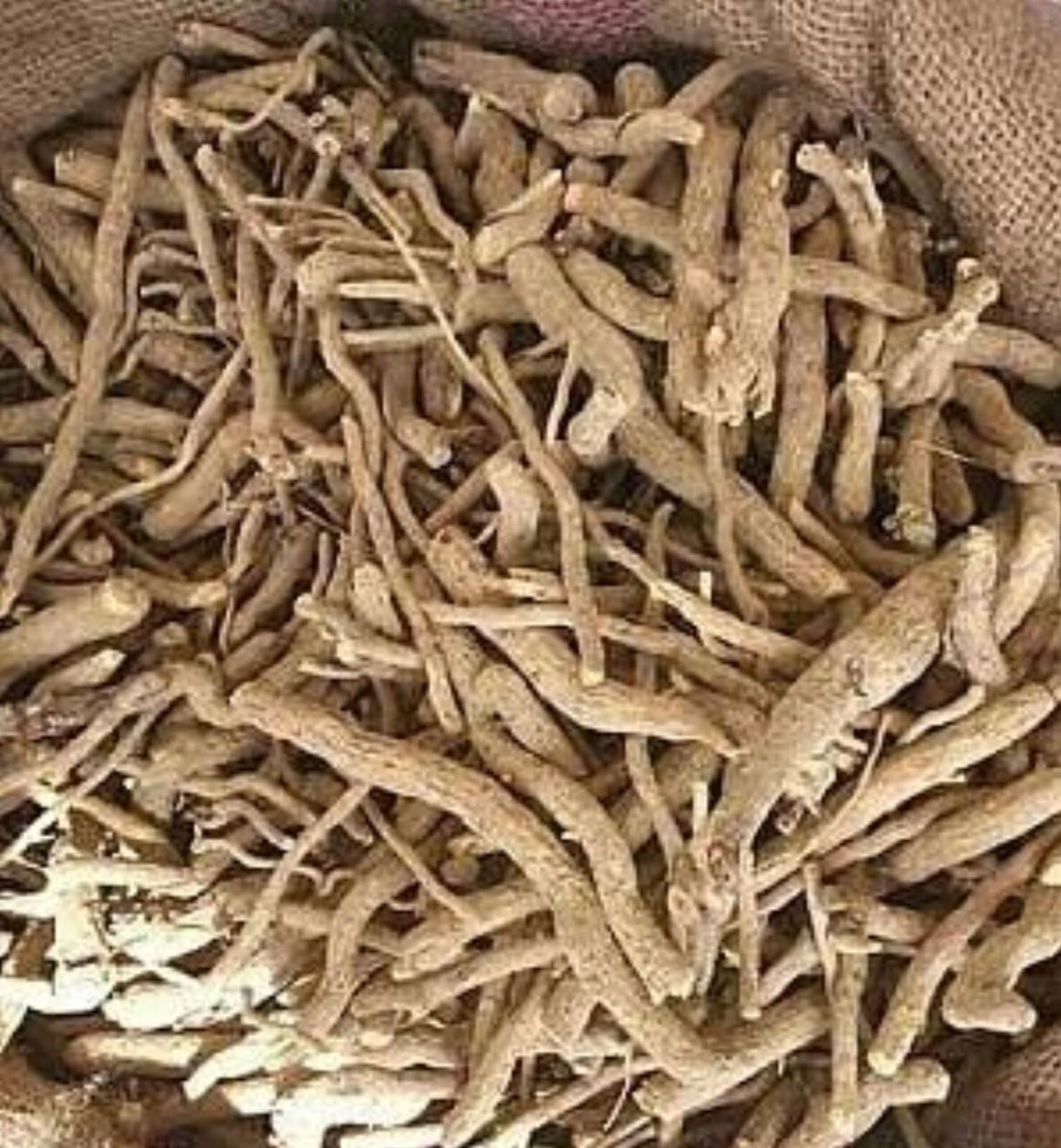
1kg of dried serpent wood roots
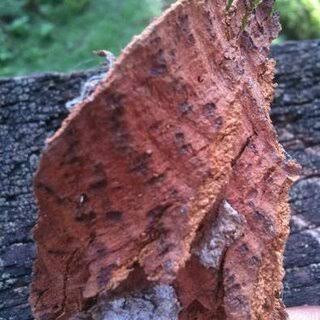
1kg of dried bridelia ferruginea stem bark
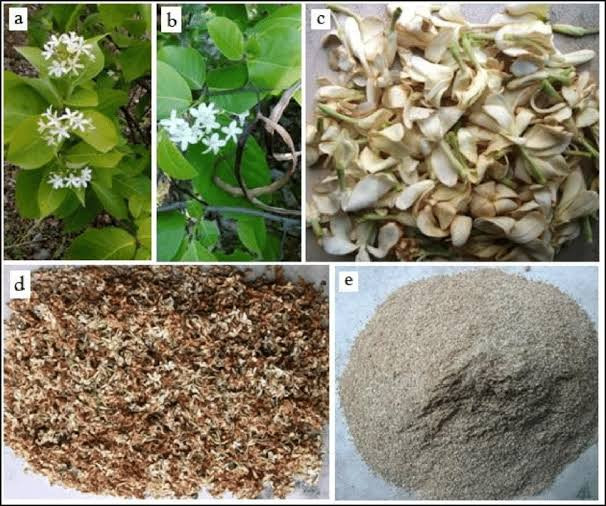
1kg of dried holarrhena floribunda stem bark
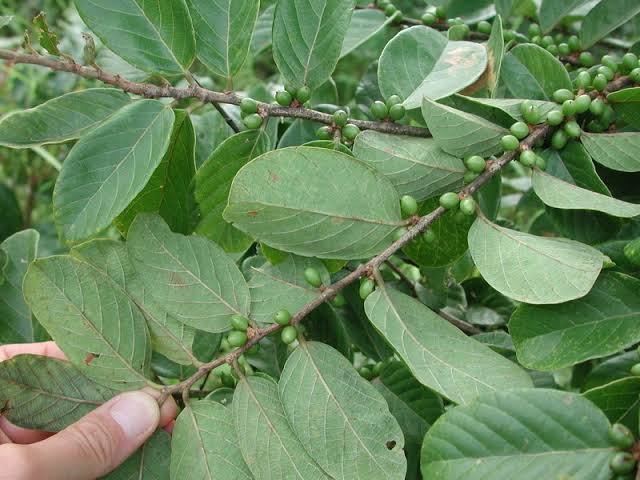
1kg of dried bridelia ferruginea leaves
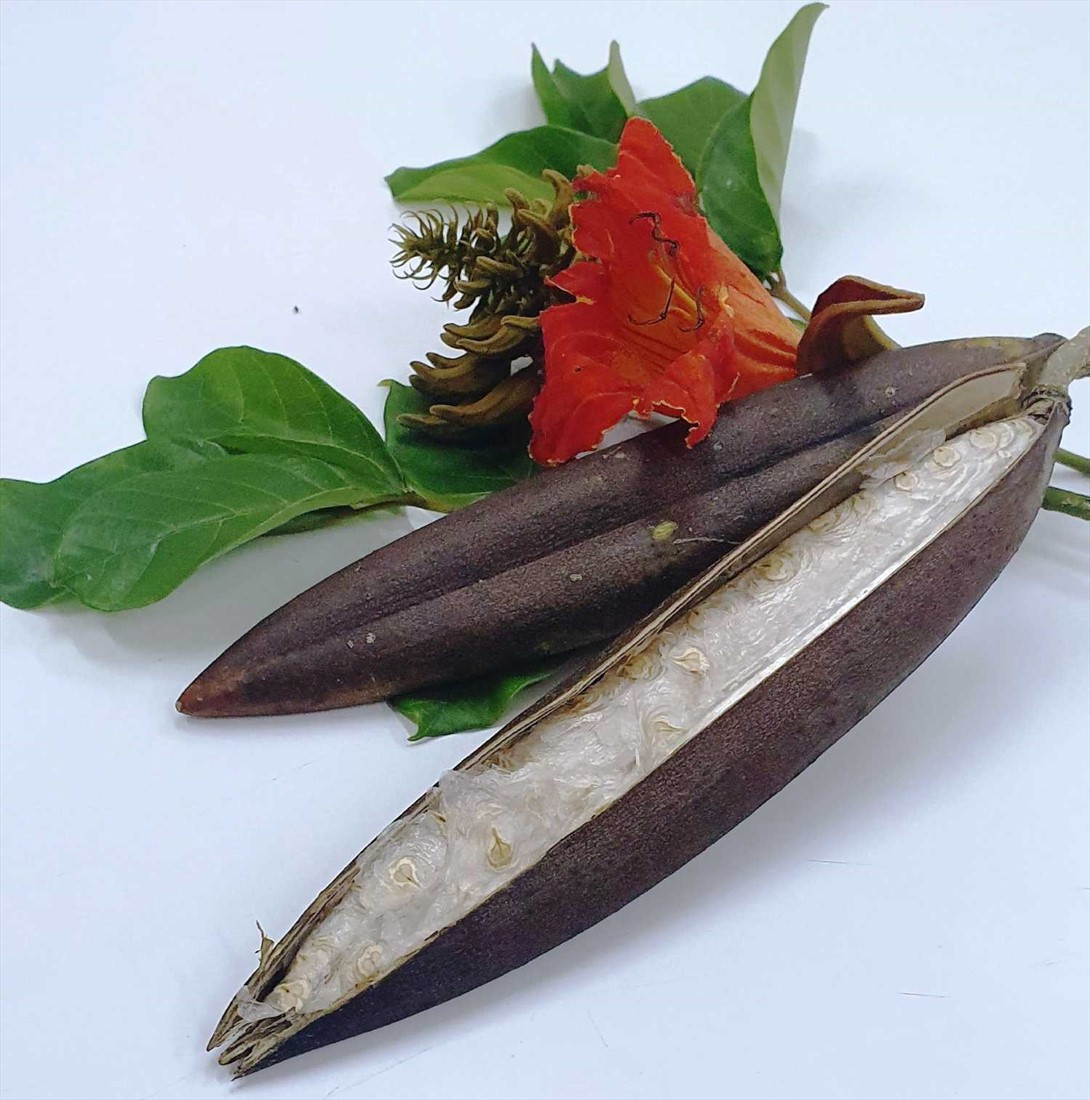
1kg of dried African tulip tree leaves
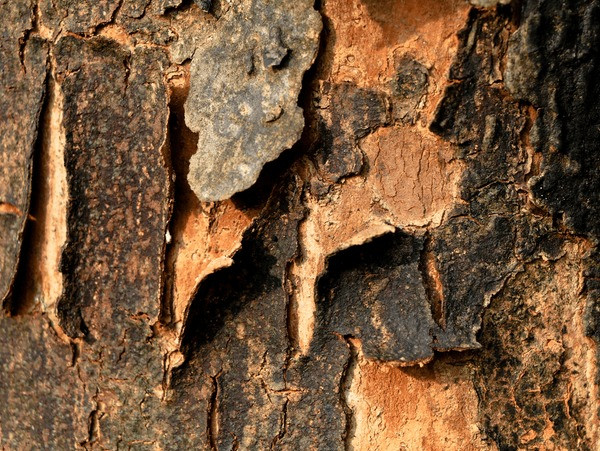
1kg of African tulip tree stem bark
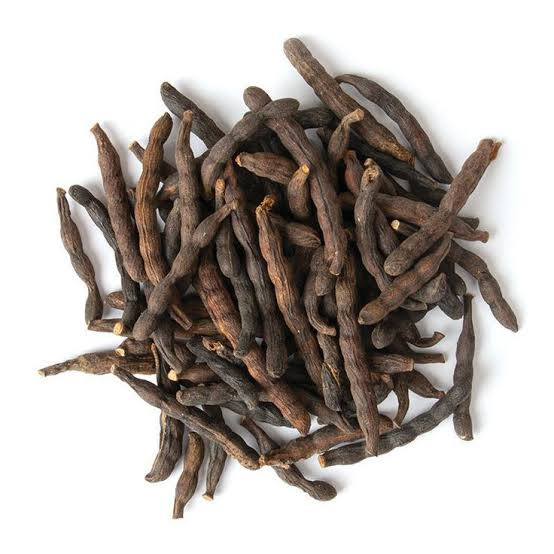
1kg of negro pepper
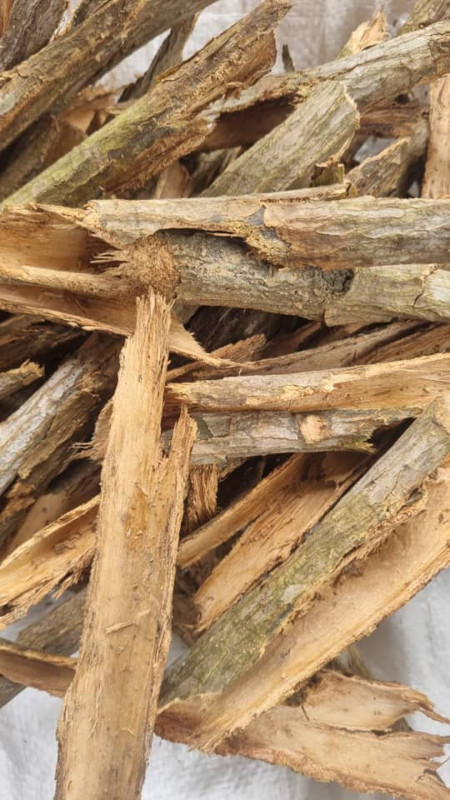
1kg of dried Anthocleista djalonensis stem bark
1kg of dried serpent wood roots
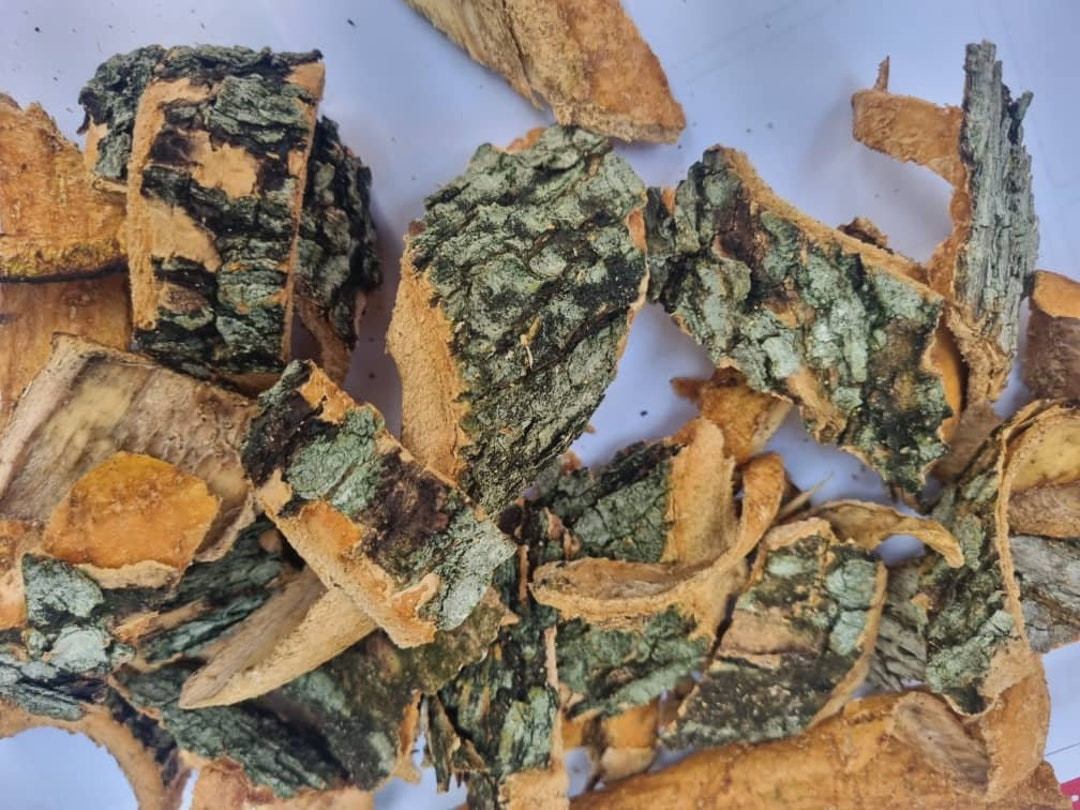
1kg of dried Nigerian alstonia boonei stem bark
-
₦10,000.00
₦12,000.00 -
₦19,000.00
₦20,000.00 -
₦13,800.00
₦15,000.00 -
₦10,000.00
₦12,000.00 -
₦13,500.00
₦15,000.00 -
₦9,000.00
₦10,000.00
Foodlistin.com