




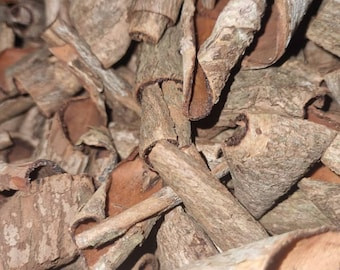
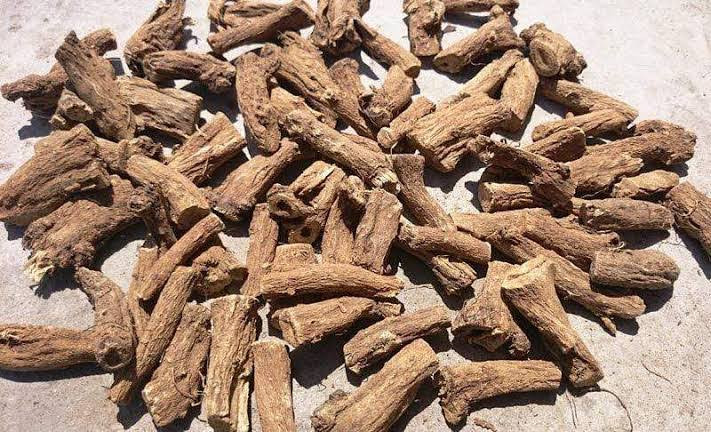
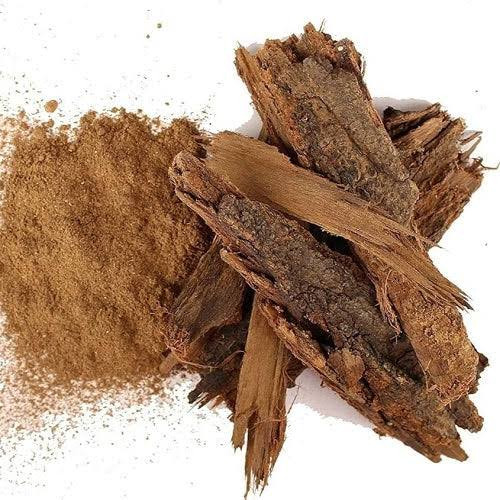
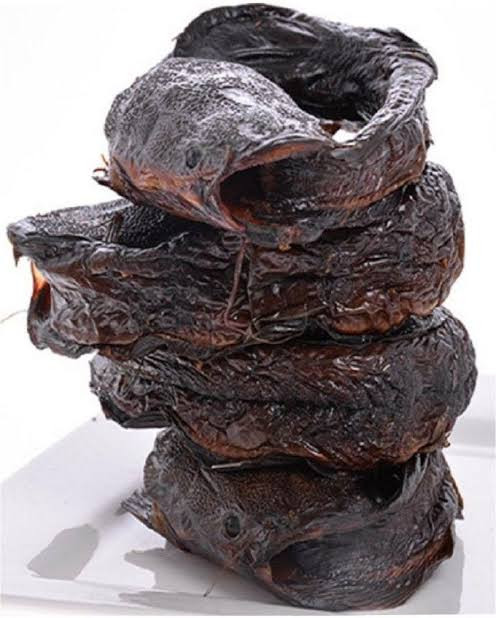
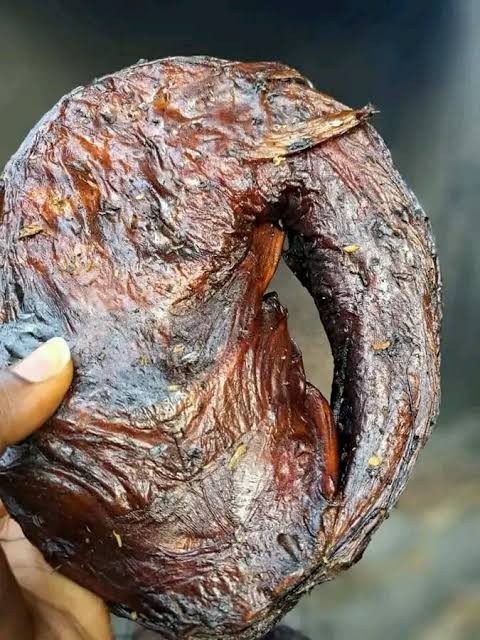
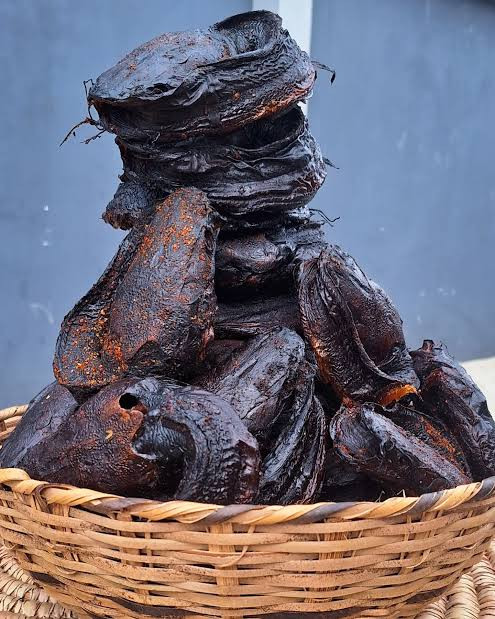
1kg of dried bitter kola barks
-
 ₦16,000.00
₦17,000.00 -
₦19,000.00
₦20,000.00 -
₦25,000.00
₦27,000.00 -
₦4,200.00
₦5,000.00 -
₦68,800.00
₦70,500.00 -
₦170,500.00
₦175,000.00
Reviews & Ratings
uses of bitter kola tree's bark
The bark of the bitter kola tree (Garcinia kola) is a key component in African traditional medicine, frequently used for its potent antimicrobial, anti-inflammatory, and purgative properties. It is considered part of the "wonder plant" because, along with the seeds, it provides therapeutic remedies for various ailments.
Here are the specific uses of the bitter kola tree's bark:
Medicinal and Therapeutic Uses
Treating Abdominal Pain and Infections: The bark is used in traditional medicine to treat abdominal pains, gastroenteritis, and digestive issues.
Purgative Action: It is used as a purgative, assisting with digestive cleansing.
Malaria and Fever Treatment: Similar to the seeds, the bark is used in remedies to treat acute fever and malaria.
Skin and Wound Care: The sap from the bark is used as a topical application to treat parasitic skin diseases. The latex/gum is applied to fresh wounds.
Tumor Treatment: The powdered bark has historically been used topically to treat tumors.
General Health and Detoxification: It is used in treating hepatitis, coughs, and throat infections. In cases of suspected food poisoning, traditional healers may recommend eating the bark to detoxify the system.
Reproductive Health: The bark is used in traditional remedies for treating female infertility, mastitis, and easing childbirth.
Other Uses
Palm Wine Fermentation: The bark is frequently harvested to enhance the flavor and increase the alcoholic content of traditional palm wine.
Chewing Sticks: In some regions, the young branches and bark are used as chew sticks to enhance oral hygiene and combat oral bacteria.
Frequently Bought Products
-
₦16,000.00
₦17,000.00 -
₦19,000.00
₦20,000.00 -
₦25,000.00
₦27,000.00 -
₦4,200.00
₦5,000.00 -
₦68,800.00
₦70,500.00 -
₦170,500.00
₦175,000.00
Foodlistin.com