

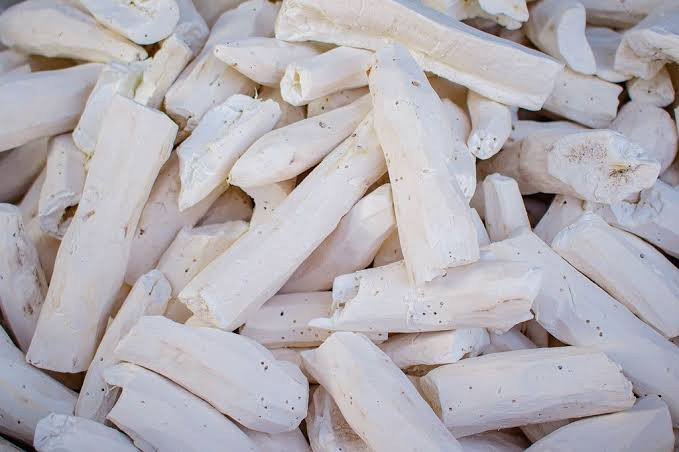
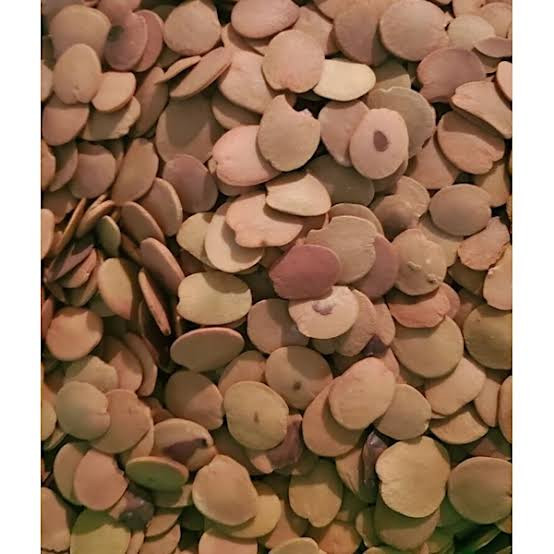
1kg of dried peeled cassava roots
Inhouse product
-
 ₦46,500.00
₦47,500.00 -
₦2,500.00
₦3,000.00 -
₦11,500.00
₦14,000.00 -
₦16,500.00
₦17,000.00 -
₦19,000.00
₦20,000.00 -
₦7,500.00
₦8,000.00
Reviews & Ratings
Dried cassava roots are highly versatile agricultural products, traditionally processed into chips or milled into flour. Their primary uses include serving as a dietary staple (fufu, gari, or gluten-free flour), acting as cost-effective livestock feed, and functioning as industrial raw materials for bioethanol and commercial starch.Key Uses of Dried Cassava RootsGluten-Free Baking & Cooking: Dried cassava roots are milled into Cassava flour, an allergen-friendly alternative to wheat flour that is free of grains, gluten, and nuts.Livestock Feed: Dried cassava chips are a highly digestible, high-energy source. They are frequently crushed and pelletized to replace pricier grains like corn or wheat in animal feed formulations.Commercial Starch & Tapioca: Processing dried chips yields premium starch and tapioca, which are used to thicken foods and act as binders in the pharmaceutical and paper industries.Biofuel Production: Cassava chips can be fermented and distilled into eco-friendly Bioethanol used for fuel, cosmetics, and pharmaceuticals.Health BenefitsRich in Resistant Starch: The carbohydrates in cassava resist digestion, acting similarly to soluble fiber. This feeds beneficial gut bacteria, supports a healthy microbiome, and improves bowel regularity.High in Vitamin C: Cassava contains excellent levels of vitamin C, an antioxidant that protects the body against cellular damage and boosts immune function.Supports Heart Health: It provides potassium and magnesium, minerals known to help relax blood vessels, eliminate excess sodium, and regulate blood pressure.Allergen-Friendly: Because it is completely grain- and gluten-free, it is an excellent dietary staple for individuals with celiac disease or gluten intolerances.Note: Raw or improperly processed cassava roots contain cyanogenic glycosides which can release toxic cyanide. However, the drying, soaking, and boiling processes effectively neutralize these toxins, making the end products safe to consume.
Frequently Bought Products
-
₦46,500.00
₦47,500.00 -
₦2,500.00
₦3,000.00 -
₦11,500.00
₦14,000.00 -
₦16,500.00
₦17,000.00 -
₦19,000.00
₦20,000.00 -
₦7,500.00
₦8,000.00
Foodlistin.com