



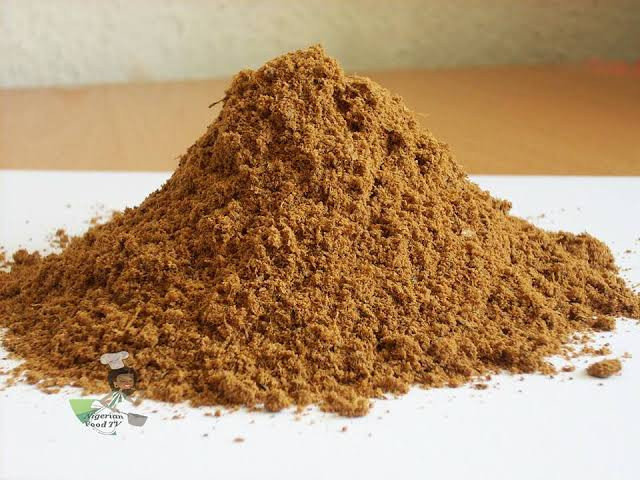
1kg of grinded negro pepper
Inhouse product
-
 ₦46,500.00
₦47,500.00 -
₦20,000.00
₦22,000.00 -
₦16,500.00
₦17,000.00 -
₦19,000.00
₦20,000.00 -
₦7,500.00
₦8,000.00 -
₦38,500.00
₦40,000.00

Reviews & Ratings
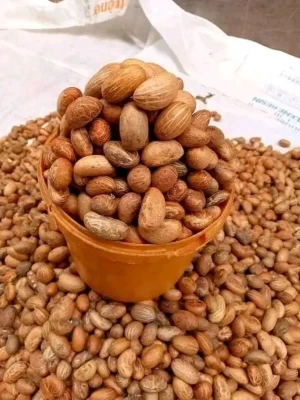
Negro pepper (Uda) is used in West African cooking for flavor in soups/stews, as a natural preservative, in cosmetics (soaps, perfumes), and traditionally for health issues like colds, pain, inflammation (arthritis), promoting milk production in nursing mothers, and even as a contraceptive due to its potent antioxidants, anti-inflammatory, and antimicrobial properties. Its earthy, pungent flavor also defines Café Touba in Senegal.
Culinary Uses
Flavoring Agent: Adds an earthy, pungent, nutmeg-like flavor to soups, stews, sauces, and rice dishes.
Spice Blend: Used similarly to black peppercorns, it's a key ingredient in many traditional dishes.
Coffee: Infuses coffee (like Café Touba) for a distinct spicy aroma and taste.
Food Preservation: Its antimicrobial properties help extend shelf life.
Traditional Medicine & Health Benefits
Pain & Inflammation: Used for general pain, arthritis, and rheumatism due to analgesic and anti-inflammatory effects.
Respiratory Issues: Helps with coughs, colds, flu, asthma, and bronchitis.
Digestive Health: Can treat stomach issues like dysentery and gastric ulcers.
Postpartum Care: Helps wound healing and increases milk production for nursing mothers.
Skin Conditions: Crushed seeds applied topically can treat boils, itches, and skin eruptions.
Menstrual Health: Can increase menstrual flow or treat absent menstruation.
Other Uses
Cosmetics: Essential oils are used in perfumes, soaps, and creams.
Insecticide: Extracts from the plant can act as insecticides.
Important Considerations
Contraception/Pregnancy: Has contraceptive properties and can inhibit fertility; unsafe for pregnant women as it may cause abortion.
Frequently Bought Products
-
₦46,500.00
₦47,500.00 -
₦20,000.00
₦22,000.00 -
₦16,500.00
₦17,000.00 -
₦19,000.00
₦20,000.00 -
₦7,500.00
₦8,000.00 -
₦38,500.00
₦40,000.00
Foodlistin.com