




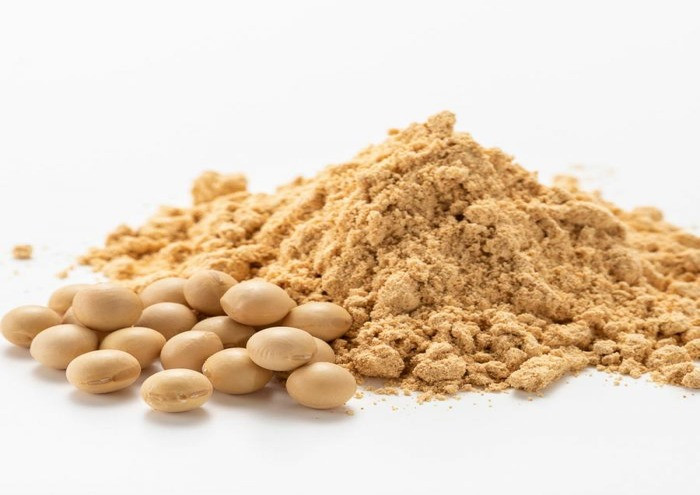
1kg of soya beans flour
Inhouse product
-
 ₦46,500.00
₦47,500.00 -
₦20,000.00
₦22,000.00 -
₦16,500.00
₦17,000.00 -
₦19,000.00
₦20,000.00 -
₦7,500.00
₦8,000.00 -
₦38,500.00
₦40,000.00

Reviews & Ratings
Soy flour is a highly functional, nutrient-dense ingredient used to increase protein, add moisture, and improve texture in baking, cooking, and food processing. It acts as a natural binder in, for instance, meatloaf, a thickener for sauces/gravies, and a gluten-free substitute in cakes, cookies, and breads.
Key Uses of Soy Flour:
Baking & Pastry: Often used at 3% to 6% in breads, cakes, pancakes, and muffins to add moisture, improve crumb, and create a richer, darker brown color.
Gluten-Free Cooking: Serves as a key component in gluten-free flour blends to add protein and structure.
Thickener & Binder: Used to thicken sauces and gravies, and as a binder in meat products like burgers or sausages.
Nutritional Boost: Added to smoothies, shakes, or cereals to increase protein and fiber intake.
Egg/Fat Replacement: In baking, 1 tablespoon of soy flour mixed with 1 tablespoon of water can replace one egg.
Industrial Food Processing: Used in manufacturing processed foods, beverages, and textured vegetable protein (TVP).
Benefits of Using Soy Flour:
Nutritional Value: Very high in protein (up to 50% for defatted types).
Health Benefits: Low glycemic index (good for diabetes), high fiber, and supports weight management.
Extended Shelf Life: Helps keep baked goods fresh longer and improves moisture retention.
Usage Tips:
Substitution: It can replace 10% to 30% of wheat flour in recipes, but because it is heavier, it is best suited for dense, moist items rather than light/airy ones.
Types: It comes in full-fat (retains natural oils) and defatted (highest protein) varieties.
Frequently Bought Products
-
₦46,500.00
₦47,500.00 -
₦20,000.00
₦22,000.00 -
₦16,500.00
₦17,000.00 -
₦19,000.00
₦20,000.00 -
₦7,500.00
₦8,000.00 -
₦38,500.00
₦40,000.00
Foodlistin.com