


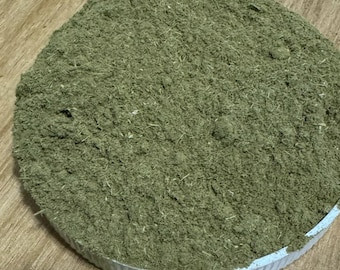
1kg of newbouldia leave powder
Inhouse product
-
 ₦46,500.00
₦47,500.00 -
₦20,000.00
₦22,000.00 -
₦16,500.00
₦17,000.00 -
₦19,000.00
₦20,000.00 -
₦7,500.00
₦8,000.00 -
₦38,500.00
₦40,000.00
Reviews & Ratings
Newbouldia laevis has numerous potential health benefits, including antioxidant, anti-inflammatory, and antimicrobial properties, and it has been traditionally used to treat a wide range of ailments like malaria, cough, dysentery, and pain. Scientific studies have shown that extracts from the plant possess these and other pharmacological activities, such as wound healing, pain relief, and potential use in managing diabetes and other chronic conditions.
Antimicrobial and antimalarial
The plant has been used to treat infections, including dysentery, syphilis, and sexually transmitted infections (STIs).
Research confirms its antimicrobial and antimalarial properties.
Pain relief and anti-inflammatory
It is used for pain, including joint pain, stomach aches, and chest pain.
Extracts have demonstrated analgesic, anti-inflammatory, and anticonvulsant effects.
Antioxidant
N. laevis extracts are rich in compounds like phenols and flavonoids, which give them significant antioxidant activity.
This activity helps protect the body from oxidative stress caused by free radicals.
Wound healing and skin conditions
It has been traditionally used for wound healing and is applied to snake bites.
Studies have shown it has wound-healing and anti-ulcer properties.
Digestive and metabolic health
It has been used for digestive issues such as diarrhea and constipation.
Research has indicated hypoglycemic and antihyperglycemic activity, suggesting potential benefits for managing blood sugar levels.
Other uses
Female health: It is traditionally used to aid childbirth and promote milk supply in new mothers.
Fertility: It is known as the "fertility tree" and studies have investigated its effects on male fertility hormones.
Other conditions: It has been traditionally used to treat rheumatism, elephantiasis, and eye problems.
Frequently Bought Products
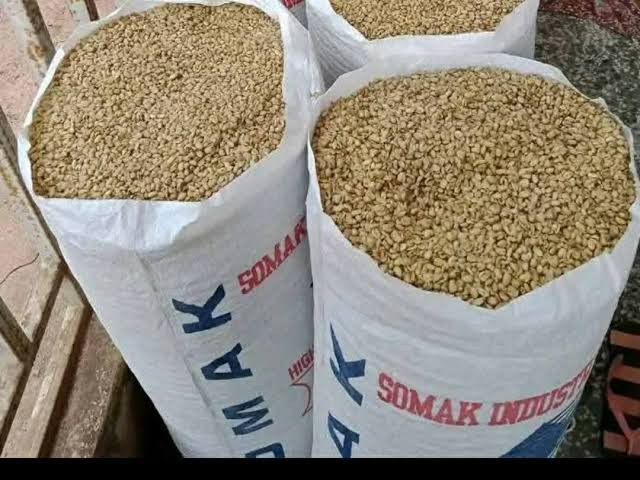
1bucket of dry ukwa/breadfruit 2.5kg
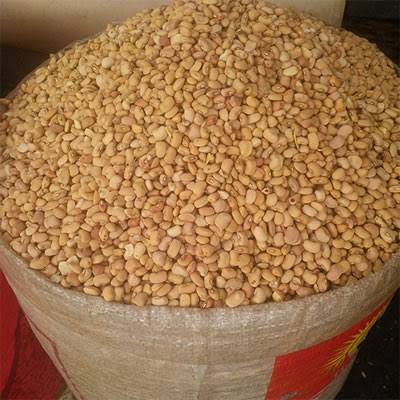
1 bucket of honey beans 3kg
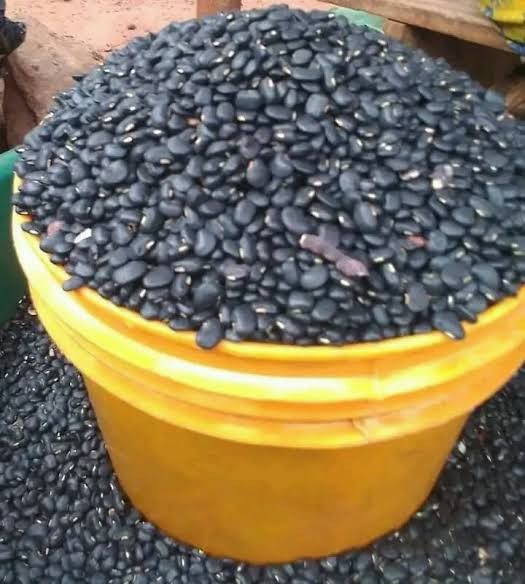
1kg of Black Beans
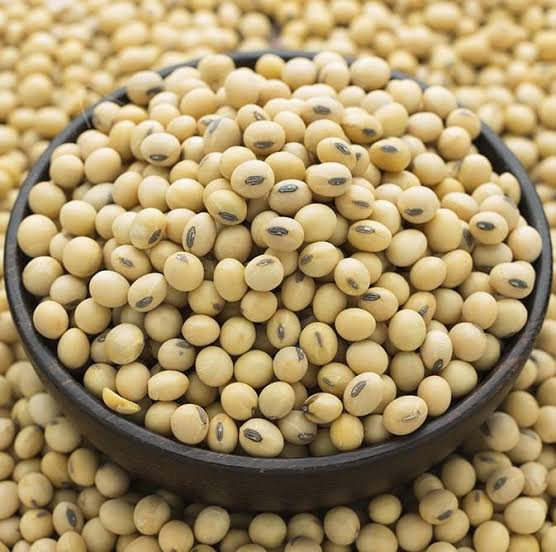
1kg of soya beans
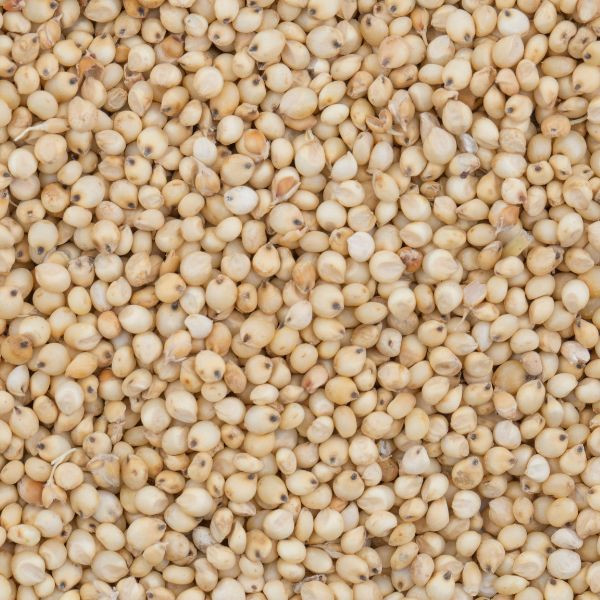
1kg of sorghum
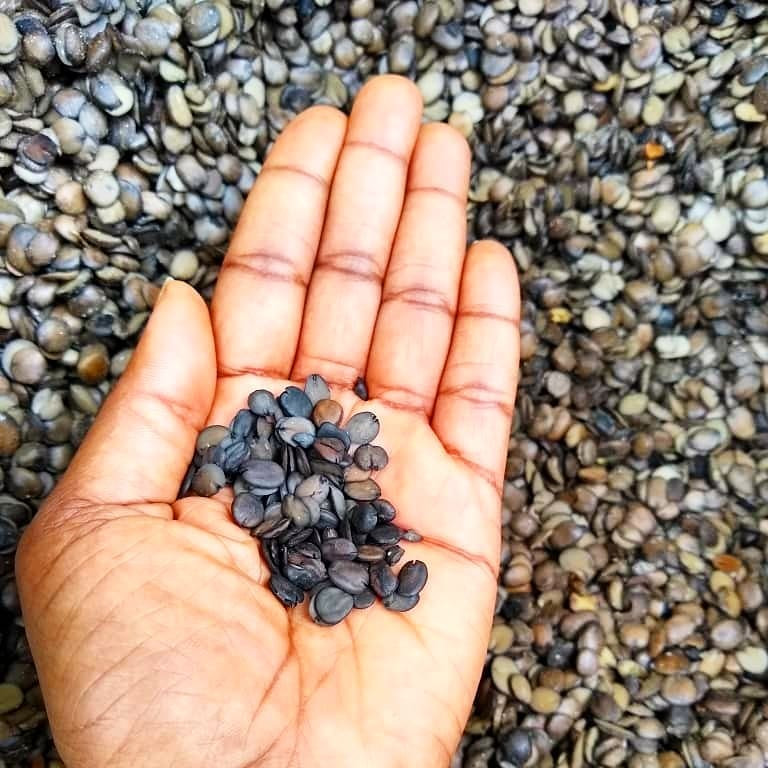
1kg of locust beans
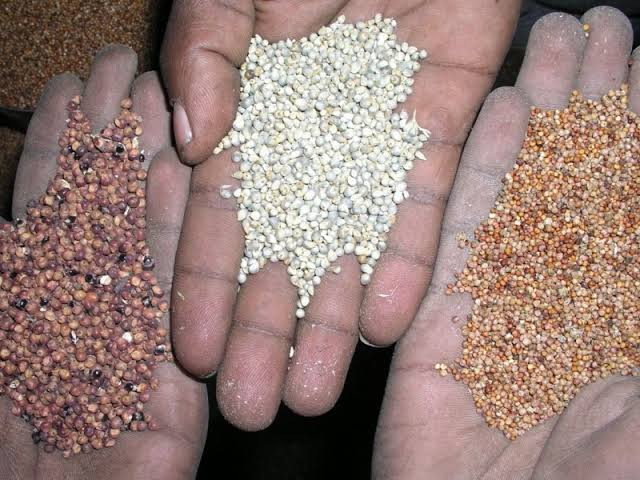
1kg of millet
-
₦46,500.00
₦47,500.00 -
₦20,000.00
₦22,000.00 -
₦16,500.00
₦17,000.00 -
₦19,000.00
₦20,000.00 -
₦7,500.00
₦8,000.00 -
₦38,500.00
₦40,000.00
Foodlistin.com